5 Healthy Habits for Winter Weather


Winter is a beautiful time — cozy sweaters, holiday foods, and brisk outdoor air. But it’s also the season when cold and flu viruses circulate more widely, daylight hours are shorter, and our routines can shift dramatically.
As dietitians, we know that small habits can make a big difference in how well your immune system functions during the colder months. Here are five evidence-grounded, practical habits to help you stay well this winter.
1. Keep Hydration a Priority
Many people think dehydration is only a concern in summer, but winter air is cold and dry, which increases fluid loss through respiration. Indoor heating also strips moisture from the air, further promoting dehydration. Adequate hydration helps maintain mucous membrane moisture, a key first line of defense against pathogens, and supports nutrient transport and waste removal throughout the body.
Tips to stay hydrated:
Drink water consistently throughout the day (aim for a baseline of ~64 oz/2 L per day, more if active).
Warm herbal teas and broths count toward total fluid intake and can be especially comforting in cold weather.
Limit excess caffeine and alcohol, which can contribute to fluid loss. [1,2]
2. Support Your Micronutrient Needs (Especially Vitamin D3, Vitamin C, Zinc, Selenium)
Micronutrients are vital for immune-competent cells to recognize and respond to infections. During winter, you’re more likely to fall short of some nutrients due to limited sunlight and different intake patterns.
Vitamin D3
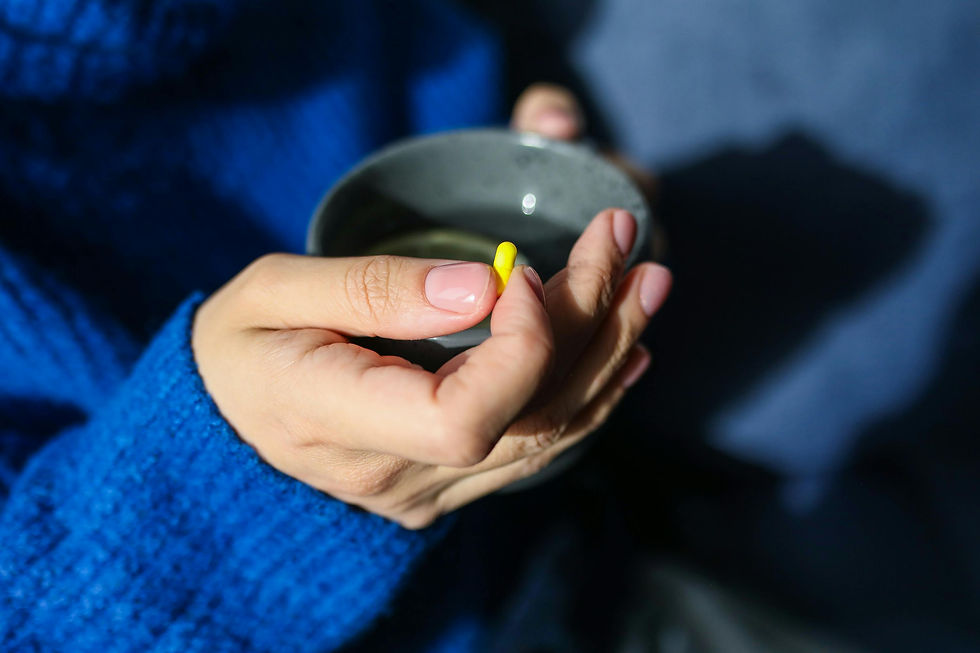
Vitamin D supports immune regulation and the activity of white blood cells. Natural production from sunlight declines in winter, and many people require dietary or supplemental D3 to maintain optimal levels. Low levels are linked with increased susceptibility to respiratory infections. [3]
Vitamin C
Vitamin C supports many aspects of immune cell function and acts as an antioxidant. Consistent intake through foods (citrus, bell peppers, berries) or supplementation can help maintain steady immune support throughout the season.
Zinc
Zinc plays a role in immune cell development and function, and research suggests supplementation can reduce the duration of cold symptoms when taken early.
Selenium
While less talked about, selenium supports immune cell proliferation and antioxidant defenses. Foods like Brazil nuts, seafood, and whole grains provide this trace mineral.
A simple daily multivitamin with these key nutrients can help fill gaps when food alone isn’t enough — particularly in winter. My preferred brand is Rainbow Light, but there are many great multivitamins available at a reasonable price point. Always tailor doses to your individual needs and consult with a healthcare provider when necessary. [4,5,6,7]
3. Stay Active, Even When It’s Cold
Physical activity enhances circulation, allowing immune cells to travel efficiently throughout the body, and supports metabolic health. Regular moderate exercise (think brisk indoor walking, bodyweight workouts, or yoga) has been associated with better immune regulation and fewer episodes of infection.
When it’s too cold for outdoor workouts, bring movement inside:
Follow a home workout video
Take walking breaks at the mall or an indoor track
Use stairs at home or work for intermittent bursts of activity
Aim for about 150 minutes of moderate exercise per week — even short daily sessions add up.
And if you're already sick, many exercise professionals will generally advise against working out if you have any symptoms below the neck (Vomiting, Diarrhea, Fever, Muscle Aches, etc.) However, workouts may be okay if symptoms are limited to above the neck (congestion, sneezing, mild cough, runny nose, etc.), and you really feel like exercising. But don't be afraid to take some days off if you feel it is necessary; give yourself some grace. [8]
4. Prioritize Sleep and Stress Management

Both sleep and stress have profound effects on immunity. Sleep is primetime for the body to produce infection-fighting proteins and balances hormonal response systems. Aim for 7–9 hours per night and try a consistent sleep schedule to reinforce your circadian rhythm.
Let's also consider that chronic stress elevates cortisol, which suppresses immune function over time. Some reliable stress management strategies include:
Brief mindfulness or breathing exercises
Making time for your own hobbies & sources of meaning
Gentle stretching or yoga
Social connection (even virtually if the weather is bad)
Time outdoors when weather permits
Generally speaking, less stress = stronger immune resilience. [9, 10]
5. Wash Hands & Maintain Good Hygiene
Viruses circulate more in winter not just because it’s cold, but because we spend more time indoors in close proximity. One of the most evidence-based ways to prevent viral transmission is frequent handwashing with soap and water for at least 20 seconds, especially after touching shared surfaces.
Additional habits that reduce risk:
Cover coughs and sneezes
Sanitize high-touch surfaces regularly
Use a tissue or elbow rather than hands to cover your face
These simple behaviors can help break the chain of infection. [11,12]
Wrapping Up
Winter doesn’t have to mean a season of sniffles. By paying a little extra attention to hydration, key micronutrients, movement, sleep, stress, and hygiene, you can support your body’s natural defenses and minimize your risk of getting sick.
If you’re unsure about the right supplement doses, or strategies for your unique health goals, it's a great reason to schedule some time with a dietitian!
Thank you for reading,
Tim Smith MS, RD, LDN
----
Citations:
1.) Pushpass, M., & Sculley, D. V. (2018). Hydration and immune function during winter months. Journal of Human Nutrition and Dietetics, 31(6), 748–756.https://doi.org/10.1111/jhn.12584
2.) Popkin, B. M., D’Anci, K. E., & Rosenberg, I. H. (2010). Water, hydration and health. Nutrition Reviews, 68(8), 439–458.https://doi.org/10.1111/j.1753-4887.2010.00304.x
3.) Martineau, A. R., Jolliffe, D. A., Hooper, R. L., et al. (2017). Vitamin D supplementation to prevent acute respiratory infections: systematic review and meta-analysis. BMJ, 356, i6583.https://doi.org/10.1136/bmj.i6583
4.) Gombart, A. F., Pierre, A., & Maggini, S. (2020). A review of micronutrients and the immune system–working in harmony to reduce the risk of infection. Nutrients, 12(1), 236.https://doi.org/10.3390/nu12010236
5.) Hemilä, H., & Chalker, E. (2013). Vitamin C for preventing and treating the common cold. Cochrane Database of Systematic Reviews, (1), CD000980.https://doi.org/10.1002/14651858.CD000980.pub4
6.) Wessels, I., Maywald, M., & Rink, L. (2017). Zinc as a micronutrient and immunomodulator. Inorganics, 5(2), 16.https://doi.org/10.3390/inorganics5020016
7.) Avery, J. C., & Hoffmann, P. R. (2018). Selenium, selenoproteins, and immunity. Nutrition Reviews, 76(9), 646–659.https://doi.org/10.1093/nutrit/nuy027
8.) Nieman, D. C., & Wentz, L. M. (2019). The compelling link between physical activity and the body’s defense system. Journal of Sport and Health Science, 8(3), 201–217.https://doi.org/10.1016/j.jshs.2018.09.009
9.) Irwin, M. R. (2015). Sleep and inflammation: partners in sickness and in health. Nature Reviews Immunology, 15(7), 495–507.https://doi.org/10.1038/nri3843
10.) Prather, A. A., Janicki-Deverts, D., Hall, M., & Cohen, S. (2015). Behaviorally assessed sleep and susceptibility to the common cold. Sleep, 38(9), 1353–1359.https://doi.org/10.5665/sleep.4930
11.) World Health Organization. (2020). Hand hygiene: why, how & when? WHO Guidelines on Hand Hygiene in Health Care.https://www.who.int/publications/i/item/9789241597906
12.) Aiello, A. E., Coulborn, R. M., Perez, V., & Larson, E. L. (2008). Effect of hand hygiene on infectious disease risk in the community setting: a meta-analysis. American Journal of Public Health, 98(Suppl 1), S137–S146.https://doi.org/10.2105/AJPH.2007.124610



This is a well-rounded guide. I especially agree on hydration and sleep—often overlooked but crucial for winter health. watch full episode